
Best Ghibli AI Image Generator Guide: Create Studio Ghibli-Style Art Easily
Learn the full workflow of creating Ghibli-style art with AI—color design, lighting, character emotions, textures, prompts, and scene composition. Perfect for beginners and creators.
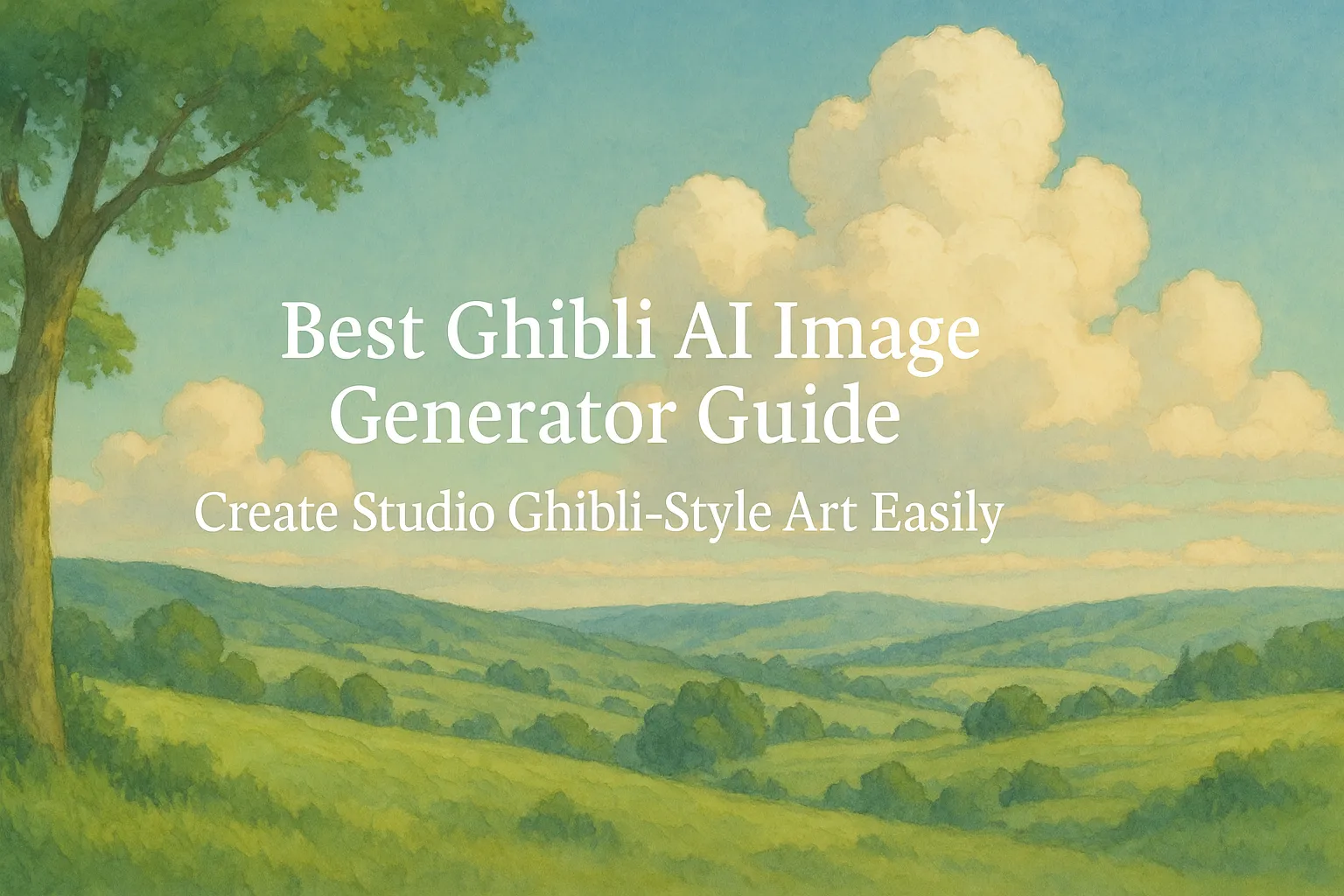
The fantastical worlds crafted by Studio Ghibli—clear blue skies, gentle winds brushing across green hills, mysterious creatures moving freely through nature, and that unique blend of nostalgia and imagination—have captivated global audiences for decades. From My Neighbor Totoro and Spirited Away to Howl’s Moving Castle, these works are more than iconic animated films; they are warm, emotional visual poems, filled with delicate hand-drawn textures and a sense of everyday life that feels almost tangible.
Many people have had the same thought: “How amazing would it be if I could create an artwork with that Ghibli feeling?”
Today, as AI image-generation technology rapidly advances, this “Ghibli-style magic” is finally within reach for everyday creators. You don’t need traditional drawing skills—once you understand the core stylistic elements, environmental language, and prompt techniques, you can craft original scenes filled with Ghibli-like warmth, storytelling, and atmosphere.
This article will guide you into the AI-powered Ghibli world in the most complete and detailed way possible.
What Is Ghibli Image Generation?
Ghibli Image Generation (Ghibli AI Image Generation) refers to the use of AI models to produce illustrations, characters, or landscapes with the signature aesthetic of Studio Ghibli by providing descriptive prompts. It does not replicate any specific film; instead, it captures that gentle, natural, whimsical, and soothing visual quality associated with the Ghibli style.
Among many creation methods, Ghibli AI Image Generator, which supports hand-drawn textures, natural lighting, and environmental atmosphere control, performs exceptionally well when generating Ghibli-style artwork. It keeps colors from becoming overly saturated, prevents lighting from being too sharp, and avoids exaggerated character distortions—preserving that serene beauty that exists somewhere between dream and reality.
Understanding the Enchanting Aesthetic of Studio Ghibli
Before you start writing prompts, the most important first step is to truly understand the visual language of Studio Ghibli. You will find that the charm of Ghibli is far more than just “looking beautiful.” It is a complete worldview shaped by emotion, lighting, textures, and narrative expression.
The core characteristics of Ghibli image generation act like an invisible thread that connects different films, different characters, and different scenes—giving them the same spirit and atmosphere.
The following content will help you deeply understand the key aesthetic elements that AI should capture when generating Ghibli-style images.
The core characteristics of Ghibli image generation
The color and lighting characteristics of Ghibli image generation
Ghibli’s use of color and lighting always carries a sense of warmth. Light does not simply illuminate objects — it makes the environment “come alive,” creating a soft, warm, atmospheric mood filled with airiness. Prompt examples: soft warm lighting, golden hour glow, pastel colors, diffused sunlight, gentle shadows
- Description notes:
- Mostly soft yet layered colors (such as creamy green, sky blue, orange sunset tones);
- Lighting often creates atmospheres of dusk, early morning, breeze, or light mist;
- Suitable for “Ghibli-style illustration generation” and “Ghibli-style background images.”
Ghibli-style scene and composition characteristics
Ghibli’s environments exist somewhere between reality and fantasy—simple yet full of storytelling, allowing viewers to instantly feel calmness and a sense of everyday life. Prompt examples: lush green hill, cozy seaside town, forest path soft light, warm countryside scene, cinematic wide view
- Description notes:
- Abundant natural settings: grasslands, forests, valleys, seaside, and old towns;
- Scenes often include wind, clouds, light, flowers, and trees, giving a sense of “life” and “a gentle breeze passing through”;
- Very suitable for “Ghibli-style wallpaper generation” and “Ghibli-style desktop backgrounds.”
Ghibli characters and emotional expression
Emotions in Ghibli characters are subtle and natural—not exaggerated—expressed through soft, gentle facial expressions that convey warmth and authenticity. Prompt examples: Ghibli-style character, soft gentle expression, natural pose, soft hair movement, emotional eyes
- Description notes:
- Facial features are not exaggerated; lines are soft, and the eyes convey emotion;
- Emotions often lean toward healing, quietness, adventure, or contemplation rather than extreme dramatization;
Ghibli hand-drawn details and texture expression
The texture of Ghibli visuals leans toward a hand-drawn style—soft, layered, and avoiding overly sharp digital edges. Prompt examples: hand-drawn texture, soft watercolor shading, painterly brush strokes, anime cel shading, gentle linework
- Description notes:
- Compared to full realism, it leans more toward “delicate hand-drawn illustration”;
- Suitable to describe as “hand-drawn, painterly, Ghibli-style illustration, soft brush strokes.”
Common application scenarios
The Ghibli style, known for its gentle and healing visuals, personified natural elements, and vibrant, story-rich colors, has become a unique visual language beloved by creators worldwide. In the field of AI image generation, the Ghibli style is one of the most popular themes, widely used for characters, environments, products, posters, game concepts, and many other creative directions.
Below are the most common Ghibli-style application scenarios that can be directly used for AI creation, each including “best-use purposes,” “typical visual characteristics,” and “AI prompt directions.”
1.Ghibli-style wallpaper / background generation
Ghibli-style wallpapers and backgrounds are among the most common user needs. Whether for mobile wallpapers, desktop backgrounds, or social media cover images, Ghibli’s signature soft lighting and warm atmosphere deliver a strong sense of comfort and healing.
When generating this type of visual, users often prefer widescreen perspectives, high resolution, and large scene compositions. Therefore, adding resolution (such as 4K) and horizontal aspect ratios (such as 16:9) in the prompt will make the visuals more suitable for use as backgrounds. Common scenes include lush forests, quiet lakes, seaside towns, sunset hills, and similar environments that represent classic Ghibli aesthetics—soft colors, natural atmosphere, and delicate brushwork.
Suitable uses: desktop wallpapers, mobile wallpapers, website banners, video backgrounds, desktop theme packs, digital display backgrounds.
Prompt: Ghibli-style wide landscape wallpaper, a peaceful countryside house with white stucco walls and terracotta roof tiles, surrounded by lush green trees casting soft dappled shadows. Bright blue sky with fluffy white clouds, gentle warm sunlight filtering through leaves. A vintage blue car parked on a stone-paved path in the foreground, detailed hand-painted textures, soft pastel colors, and watercolor-style shading. Calm, warm, and storybook-like atmosphere, cinematic composition with a spacious open view. Perfect for desktop background. 4K resolution, 16:9 aspect ratio.
2.Ghibli-style avatar / character illustration
Ghibli-style characters feature rounded, gentle facial features, expressive eyes, and fresh, natural colors, making them highly suitable for personal avatars, character illustrations, or IP mascots.
Users often upload selfies or describe the character’s appearance. This type of generation task requires close attention to facial proportions, eye size, lighting direction, hairstyle, and clothing to ensure the final character looks natural and consistent while preserving the soft, gentle qualities of the Ghibli style. It is well suited for integration into functions such as “AI avatar generation,” “character designer,” or “anime-style character illustration creation.”
Suitable uses: social media avatars, IP character development, brand mascots, virtual YouTuber models, illustration character settings, live-stream cover characters.
Prompt: Ghibli-style character portrait of a gentle young woman with soft, rounded facial features and expressive brown eyes. Long flowing hair illuminated by warm afternoon light. She is lying down peacefully with a fluffy cream-colored cat resting comfortably in her arms. Soft pastel colors, smooth hand-drawn linework, and delicate watercolor-style shading. The background features subtle wooden textures and warm ambient lighting, creating a cozy, emotional, and story-like atmosphere. Calm expression, natural proportions, and a soothing, cinematic Ghibli mood. High-quality illustration, square format, suitable for profile photos or character design.
3.Ghibli-style comics / storyboards
When users want to create a short story, a mini comic, or promotional content, Ghibli-style storyboards can quickly establish a gentle, relaxed, and narrative-rich visual atmosphere.
Unlike single-image generation, comics/storyboards focus on character consistency and scene continuity. Therefore, the descriptions should specify fixed attributes such as hairstyle, clothing, body shape, props, and environment. By generating multiple images in sequence, you can form a dynamic story or a complete short narrative.
Whether it’s a short romance comic, an adventure sequence, a healing-style storyline, or a branded mini narrative, Ghibli’s warm color tones and soft lighting can bring out a comforting storytelling mood.
Suitable uses: short comics, story script visualization, YouTube Shorts comic content, brand storytelling, promotional narrative images, storyboard drafts.
Prompt: Ghibli-style comic panel, consistent character design across scenes, a young girl with short brown hair, soft round features and gentle expressive eyes, wearing a simple white dress; warm pastel colors and soft diffused lighting; subtle hand-drawn lines and watercolor textures; the character walking through a peaceful forest path with drifting leaves and gentle wind; cinematic framing with clear storytelling intent; emotional but calm atmosphere, detailed background with natural elements, 4K illustration suitable for story sequences and multi-panel comics.
4.Ghibli-style enhancement for your selfies, pet photos, and landscape images
Transforming everyday photos into the Ghibli style is one of the most creative and instantly delightful ways users enjoy AI generation. With a Ghibli-style AI generator, you can turn selfies, pet photos, travel landscapes, or even casual snapshots of small objects into warm visuals that feel as if they came straight from a Hayao Miyazaki film.
Ghibli-style reinterpretation has highly recognizable aesthetic traits: soft lighting, delicate watercolor-like brushwork, atmospheric storytelling light, and a unique visual language that exists “between reality and a dream.” This allows portraits, pets, landscapes, and still-life objects to transform into natural, harmonious, and deeply soothing visuals.
When producing this effect, AI stylizes the image based on the key characteristics of the original photo while preserving essential elements such as facial structure, pet expressions, and scene layout—resulting in images that retain both the gentle Ghibli texture and the original photo’s personality.
Suitable uses: personal selfie enhancement, Ghibli-style pet illustrations, animated travel landscape conversions, commemorative artistic portraits, social media shareable content, Instagram anime-style filter content, couple-photo transformations, poster-style illustration generation.
Prompt: Transform the provided image into a Studio Ghibli inspired artwork. Keep the original composition and key elements, but reinterpret them in the Ghibli style by applying:
- Soft and vibrant color palettes
- Detailed natural backgrounds
- Expressive character designs with large, emotive eyes
- Hand-drawn animation textures and watercolor-like shading
- Light and shadow for depth and warmth Ensure the emotional tone remains whimsical and heartfelt, while maintaining the essence of the original image. The result should feel like a frame from a Studio Ghibli film.
Social media content and commercial applications
The Ghibli style is extremely popular on social media, especially for warm, soothing, and life-inspired visual content. Many brands, creators, and content publishers use this style to build a relaxed and pleasant communication atmosphere, making it easier to resonate with users visually.
When creating posters, cover images, or promotional graphics, adding title text, soft lighting, and warm high-saturation tones can make the visuals more appealing. Because Ghibli imagery naturally carries “emotional value,” it is highly suitable for promotional graphics, content covers, or event posters.
Suitable uses: YouTube thumbnails, X (Twitter) image posts, Pinterest content, Instagram feed visuals, brand holiday posters, commercial promotional graphics.
Prompt: Ghibli-style commercial illustration of a cozy street-side café at dusk, warm golden lighting glowing from inside the shop, soft hand-painted textures and pastel colors. A storefront with illuminated signage, vintage wall lamps, potted plants, and welcoming glass windows revealing customers enjoying their drinks. Two or three children or passersby curiously looking at the café entrance. Detailed food menu boards displayed outside, featuring illustrated dishes and drinks. A gentle, emotional, story-like atmosphere with warm shadows, watercolor shading, and clean composition suitable for a promotional poster or social media banner. 4K high-quality artwork, 16:9 wide format.
How to precisely control Ghibli image generation using prompts?
1.Basic structure: subject + scene + art style + emotion
You can use a general formula:
subject + scene + style keywords (Ghibli style, Studio Ghibli inspired) + lighting emotion/atmosphere + quality/aspect ratio
Example (English):
A young girl standing on a grassy hill under a vast sky, Ghibli style, soft warm lighting, gentle wind, detailed background, hand-drawn illustration, 4k, anime style
This single sentence already includes:
- Ghibli style
- anime style
- hand-drawn illustration
- 4k (high resolution)
2.Add natural-environment keywords to enhance the Ghibli feeling
- Usable vocabulary:
- lush forest, small village, seaside town, floating clouds, windy field
- warm sunset, golden hour, morning light, soft shadows Example: A cozy seaside town at sunset, Ghibli style background, warm orange and pink sky, gentle waves, small houses with red roofs, detailed environment, cinematic composition
3.Controlling character expressions and actions
- Usable vocabulary:
- gentle smile, thoughtful, curious, shy, excited, peaceful
- running, looking at the sky, holding a cat, sitting by the window Example: Ghibli style character portrait, a girl with short brown hair and big curious eyes, wearing a simple dress, gentle smile, soft pastel colors, anime illustration
4.Avoid using specific IP or character names in prompts
For copyright and policy reasons, do not directly include:
-
“Totoro,” “Howl,” “Spirited Away,” “My Neighbor Totoro,” or any specific film titles or character names. You can rephrase them as:
-
“a big fluffy forest spirit”
-
“a magical bathhouse in an old town” This preserves the same mood and atmosphere while remaining safer and compliant.
Copyright and compliance: what should you pay attention to when generating Ghibli-style images?
1.Avoid using official characters, imagery, and trademarks
Studio Ghibli is very strict about IP usage, so when generating AI images, you must avoid: Do not create characters that look highly similar to those from My Neighbor Totoro, Spirited Away, Howl’s Moving Castle, etc., to avoid falling into “substantial similarity”; Do not include film logos, character trademarks, prop symbols, or any elements that may constitute infringement. This is not only out of respect for the original creators but also helps prevent misunderstandings when users search for terms related to “Ghibli copyright.”
2.Commercial use requires extra caution
Even if an illustration is generated in the Ghibli style, it does not automatically grant commercial usage rights. You should avoid the following scenarios, especially: Advertisements, promotional graphics, product packaging, game UI, merchandise design, and other revenue-related uses; Using an AI-generated image that imitates a specific Ghibli character as a brand identity. A safer approach is to: Draw on general stylistic qualities such as warm hand-drawn textures, healing animation color tones, and soft watercolor lighting; Avoid creating visuals that directly remind people of specific characters or scenes from any film.
3.AI platform policies and copyright-filtering mechanisms
Different AI platforms (including Createimg.ai, Midjourney, DALL·E, etc.) have their own filtering rules for sensitive IP-related prompts. They will typically: Restrict or weaken prompts containing sensitive terms such as “Ghibli,” “Totoro,” “Spirited Away,” etc.; Automatically filter scenes, characters, and trademarks that may violate copyright based on their internal IP policies. Explaining this in the article enhances credibility and helps users understand that: Generating in the “Ghibli style” is achievable, but directly reproducing protected content from Ghibli works is not allowed.
Summary
AI is not meant to replace Studio Ghibli, nor can it recreate the artistic soul that Ghibli has cultivated over decades. But it can help you discover a new way to communicate with your own imagination—turning you from an “observer” into a “creator,” allowing the scenes you once imagined but never drew to appear before you in a new form. Whether you want to make soothing wallpapers, create short character stories, or simply add a touch of warmth to everyday life, this Ghibli-like magic can now be realized at your fingertips. And tools like Ghibli AI Image Generator can offer you a purer, freer way to express yourself along every creative path. May you find your own wind, light, stories, and a unique sense of peace within the world of AI.
Try it
Run your own prompt in the generator
Pick a model, run one prompt, and compare the results side by side. New accounts start with free credits.
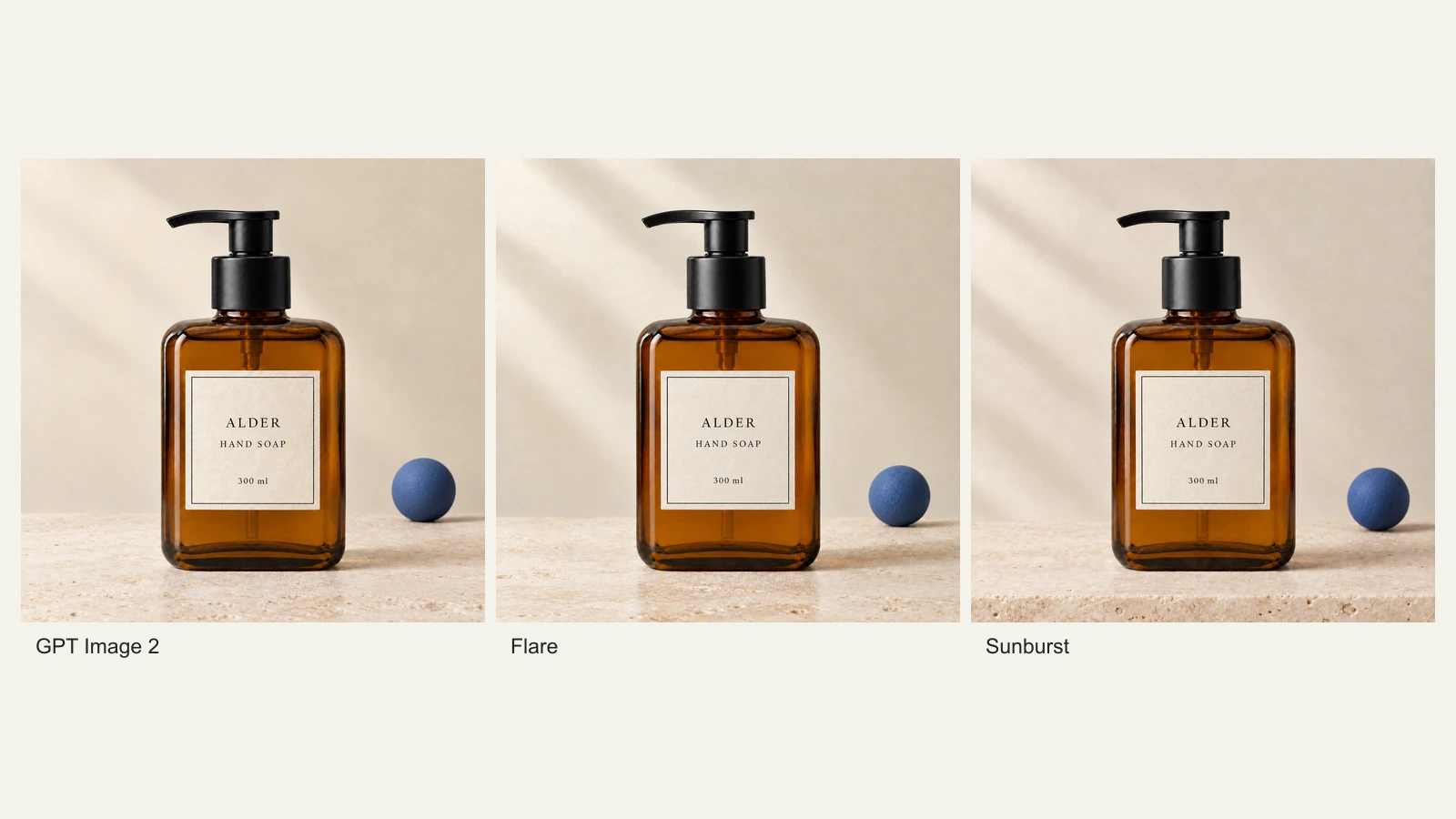
GPT Image 2.5 Flare vs Sunburst: Product Photo Edits Tested
We compare Flare, Sunburst and GPT Image 2 across 18 product-photo edits: label fidelity, material changes, editing speed and current site credits.
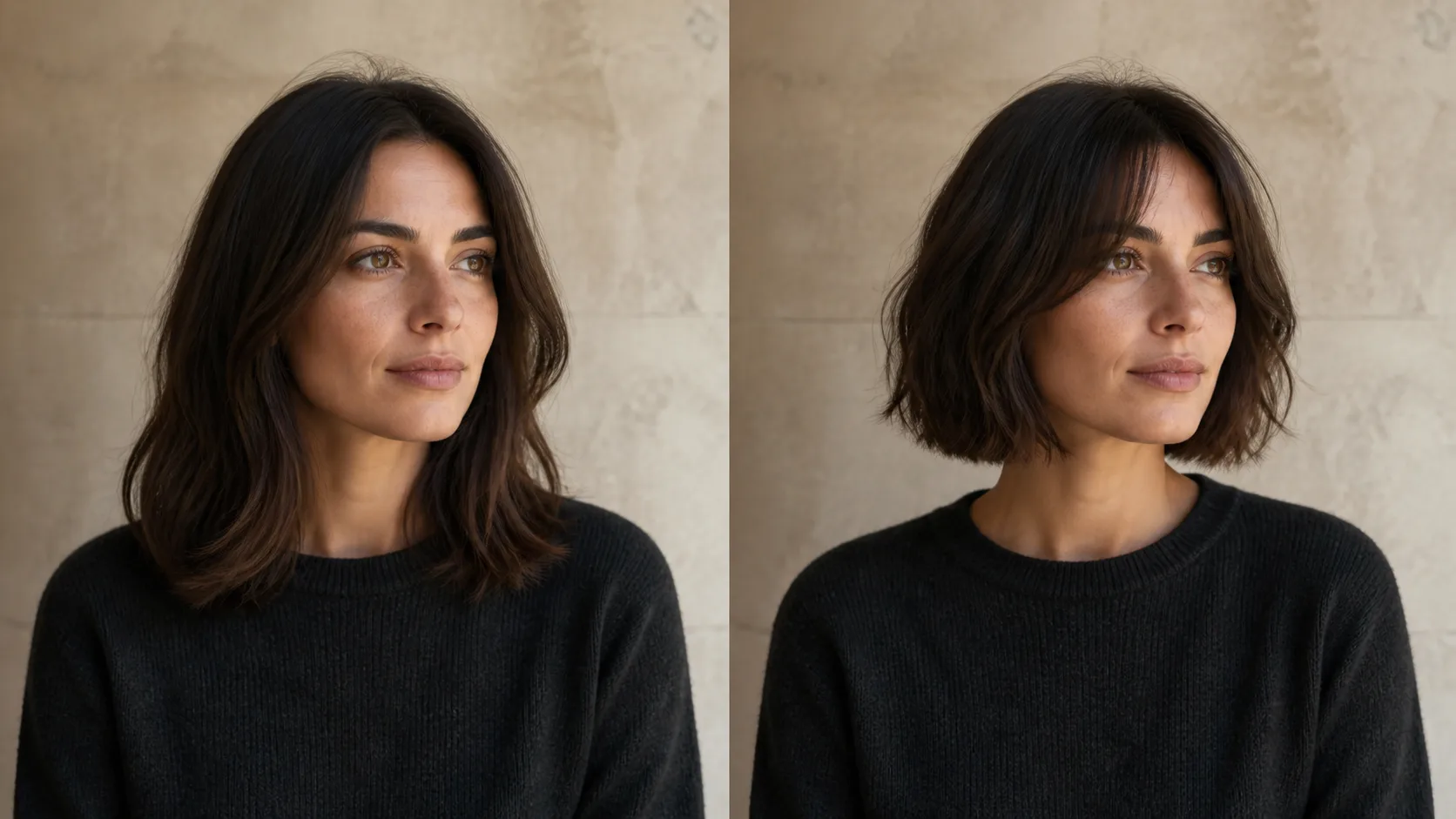
How to Preview a Haircut With AI Before You Commit
Learn how to preview a haircut with AI using better photos, precise prompts, reference images, and a realism check before visiting the salon.